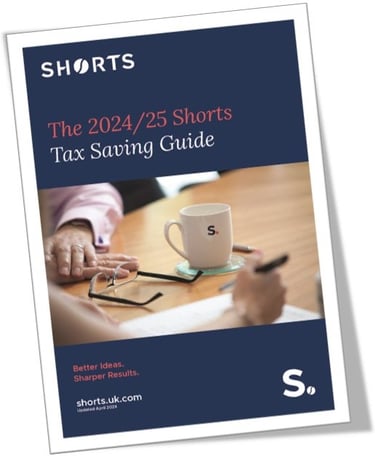
Inheritance Tax (IHT) is rarely understood and frequently left too late. Yet it is one of the few areas of tax where early action and smart structuring can materially reduce what your family pays. The Shorts Tax Saving Guide reinforces the same message: much of IHT is avoidable with considered, long‑term planning.
Below are seven practical IHT‑saving ideas, drawing on insights from the Accountable by Shorts podcast episode on Inheritance Tax, and the guide.
1. Start with a professionally drafted Will
One of the biggest, simplest IHT‑saving measures is also the most overlooked: having a valid, professionally drafted Will. The guide stresses that intestacy rules can distribute assets in unintended ways and potentially create avoidable tax exposure.
Podcast hosts Craig and Mark highlight numerous cases where DIY Wills have caused costly errors, family disputes or unnecessary IHT charges. When your Will and tax planning work together, you protect both your wishes and your estate.
2. Use lifetime gifts strategically, not reactively
Gifting remains one of the most effective IHT‑saving tools. The Tax Saving Guide outlines key exemptions such as:
- Gifts from surplus income (regular and well‑documented)
- The £3,000 annual exemption
- Wedding gifts and small gifts allowances
The podcast reinforces the importance of the Seven‑Year Rule, the pitfalls of gifting assets you continue to benefit from, and the misunderstandings around taper relief. Regular, structured gifting (supported by good record‑keeping) can quietly reduce the size of your estate over time.
3. Make use of trusts to protect assets and reduce IHT
Trusts are highlighted in the Tax Saving Guide as powerful tools for:
- Moving assets outside your estate
- Controlling how and when beneficiaries receive money
- Protecting family wealth in situations such as divorce
Parents often want to help younger children without handing over large sums outright; trusts provide structure and safeguards while still reducing IHT exposure. Establishing trusts on death can also protect inheritances for future generations.
4. Consider freezer shares or restructuring to manage future growth
For business owners, the guide outlines the concept of freezer shares, which "freeze” the current value of the business into existing shares and divert future growth into new shares held by family or trusts. This effectively shifts future appreciation out of the owner’s taxable estate.
Many people underestimate how business value factors into IHT. Freezer shares ensure that rising business value doesn’t translate into future tax exposure.
5. Make the most of Business Property Relief (BPR)
BPR can reduce the IHT charge on qualifying business assets, sometimes even to zero. Shares in trading companies may qualify, but complications arise when businesses hold too much surplus cash or conduct investment activity. These issues sometimes require restructuring to preserve BPR.
Businesses must ensure they are genuinely trading rather than investment‑heavy, and that HMRC can scrutinise the true nature of activity. A review can prevent unintended loss of valuable relief.
6. Explore Family Investment Companies (FICs) or hybrid structures
Some businesses may find Family Investment Companies (FICs) are a more beneficial alternative to trusts, offering:
- Control for parents
- Long‑term tax‑efficient wealth accumulation
- Structured succession planning
Hybrid structures combining FICs and trusts offer additional flexibility. Overall, thoughtful planning can substantially reduce future liabilities.
7. Review your pension strategy ahead of the 2027 rule change
From April 2027, most pensions will become part of the taxable estate for IHT purposes — an unprecedented shift.
We advise individuals review their IHT planning if they have meaningful pension wealth intended for beneficiaries.
People who never had an IHT problem before may suddenly find themselves exposed. Early action, such as assessing pension size, understanding options and seeking advice, is essential.
The bottom line: purposeful planning prevents unnecessary tax
The message is simple: IHT is far more manageable when you act early and plan deliberately.
Whether through gifting, restructuring, Wills, trusts or pensions, these seven ideas demonstrate that you have options. Avoiding IHT is often about taking action, not taking risks.
If you want more inspiration to be more tax-savvy, download the free Tax Saving Guide from Shorts, or contact our Personal Tax Planning team for a 1-2-1 consultation.


Mark Trevenna
As a Private Client Senior Manager at Shorts and Chartered Tax Adviser (CTA), Mark regularly advises individuals and trustees on tax compliance and improving the tax efficiencies of the trusts and their estates. Mark has over 17 years of experience advising clients on Inheritance Tax and Capital Gains Tax.
View my articles